
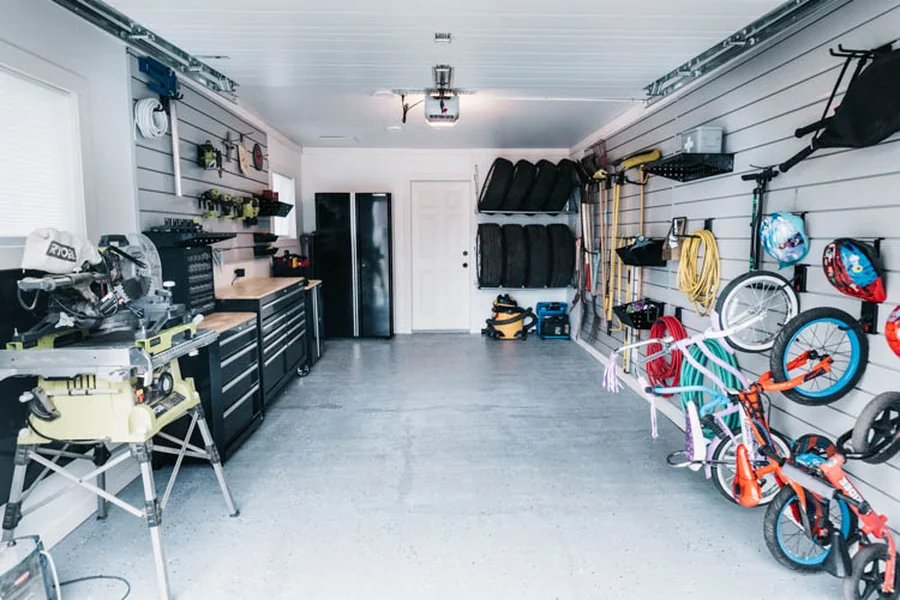
Many homeowners dream of having a dedicated workspace for DIY projects, woodworking, or automotive repairs. A garage provides the perfect footprint for a home shop. However, simply throwing a workbench into a room full of holiday decorations and lawn equipment will not give you the workspace you need.
Creating a space that actually helps you get things done requires careful planning and strategic upgrades. You need an environment that is safe, organized, and comfortable to work in year-round. Here is how you can transform an empty or cluttered bay into a highly efficient workspace.
Map Out Your Work Zones
Before you buy a single pegboard or move heavy machinery, take time to design your layout. A functional shop needs dedicated zones for different activities. You might want a messy zone for sanding and painting, a clean zone for assembly, and a specific area for storing raw materials.
Measure your available square footage and mark where major tools will go using painter’s tape on the ground. Keep the concept of a workflow in mind. Your materials should move logically from storage to the cutting station, then to assembly, and finally to finishing. Leave enough clearance around large tools like table saws to handle long boards safely without bumping into walls or other equipment.
Maximize Vertical Storage
Garages usually lack floor space, so you must look up. Utilizing your walls and ceiling keeps the floor clear for walking and working. Install heavy-duty shelving units to hold bins of hardware, power tools, and automotive supplies.
French cleat systems and slatwalls are excellent choices for hand tools because you can rearrange them as your tool collection grows. For lumber or rarely used items, consider overhead ceiling racks. The less clutter you have on the ground, the easier it is to move around your shop safely while handling heavy or awkward materials.
Upgrade Your Power Supply
Most standard residential garages only have a couple of 15-amp outlets. If you plan to run a table saw, a dust collector, or an air compressor, you will likely trip a breaker. A functional shop requires a robust electrical system to keep you working without interruption.
Hire a licensed electrician to install a dedicated subpanel for your workspace. You should have multiple 20-amp circuits spread along the walls, placing outlets exactly where your major workbenches and stationary tools will sit. Adding a 220-volt outlet is also a smart move if you ever plan to use heavy-duty welders or large industrial machinery.
Install Exceptional Lighting
Relying on a single bare bulb in the center of the ceiling is a recipe for eye strain and mistakes. Good lighting is critical for both safety and precision.
Start by replacing old fixtures with bright, energy-efficient LED shop lights. Position them strategically to eliminate shadows over your primary work areas. You will also want task lighting mounted directly above your workbench or attached to specific tools like a drill press or band saw. When you can see your cut lines clearly, the quality of your projects will improve significantly, and you will greatly reduce the risk of accidents.
Give Your Floor a Makeover
Working on bare, cracked concrete is hard on your joints and makes sweeping up sawdust or wiping oil spills incredibly frustrating. A high-quality floor coating makes the space look professional, improves safety, and makes cleaning remarkably easy.
If you live in an area with harsh winters, road salt and moisture can quickly degrade raw concrete. For instance, if you look into garage floor resurfacing in Salt Lake City, you will find that a durable epoxy or polyaspartic coating protects the slab from chemical spills and heavy impacts. Adding an anti-slip texture to the finish will also keep you safe when the ground gets wet or covered in fine dust.
Implement Climate Control and Dust Management
A shop is only useful if you can actually spend time in it comfortably. Extreme heat or freezing temperatures will ruin your motivation and can even damage materials like wood glue or paint.
Add insulation to your walls and upgrade to an insulated garage door. For temperature control, a mini-split system provides both heating and cooling without taking up valuable floor or window space. Additionally, you must manage the mess. A proper dust collection system protects your lungs and keeps your newly organized space clean. Even a simple shop vac attached to a cyclone separator will drastically reduce the amount of airborne dust you breathe while working.
Start Your Shop Transformation
Building a workspace that fits your specific hobbies takes a bit of time and investment, but the payoff is immense. By addressing the layout, power, lighting, and storage early on, you build a solid foundation for endless creativity and productivity.
You do not have to do everything in a single weekend. Start with the basics like clearing the floor and upgrading your lights, then tackle the larger projects as your needs evolve. Take the first step today by sketching out your ideal layout and clearing out the clutter holding you back.