
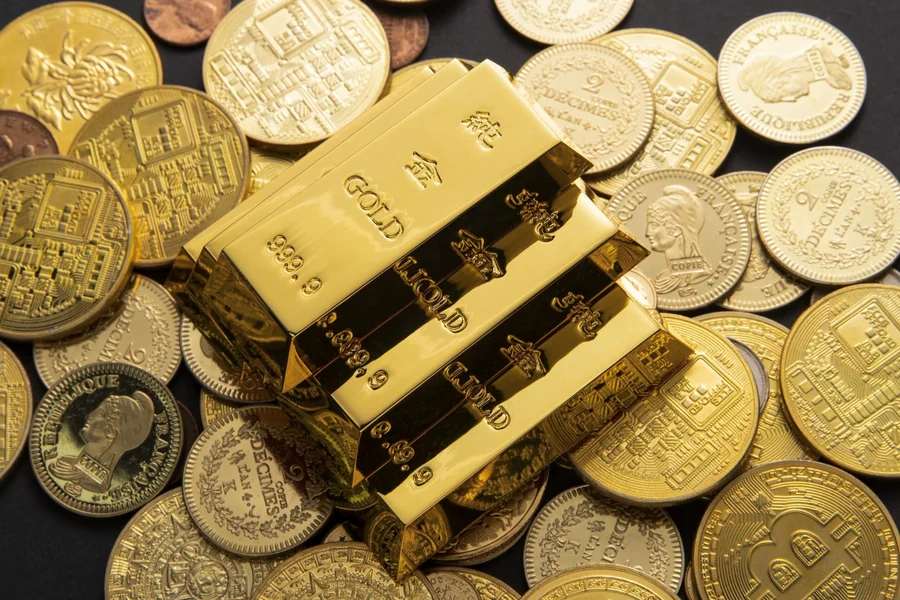
Across centuries of social change and economic development, gold has retained a rare consistency in perceived worth. Long before modern financial systems took shape, societies relied on gold as a reference point for wealth, stability, and exchange. Gold bars remain a direct continuation of that legacy. They represent a physical concentration of value, shaped into a form that is recognised across borders and generations. For investors and collectors alike, gold bars offer a connection to a long-standing tradition of trust placed in precious metals.
Gold bars stand apart from many modern assets through their tangible nature. They can be held, stored, and transferred without reliance on digital systems or institutional intermediaries. This quality has sustained their relevance across shifting economic climates, reinforcing their role as a long-term store of value rather than a speculative instrument.
Gold Bars Through the Ages
The story of gold bars stretches back thousands of years. Early civilisations valued gold for its resistance to corrosion and its ability to be shaped without losing substance. Ancient Egypt used gold extensively in trade and state reserves, associating it with permanence and authority. Roman administrations later refined these practices, incorporating gold bars into formal monetary systems and treasury management.
Over time, methods used to refine and shape gold advanced steadily. Techniques became more precise, leading to bars that met consistent standards of weight and composition. These developments allowed gold bars to circulate with greater confidence in commercial exchanges. Modern gold bars reflect this progression through clearly defined specifications that align with international standards.
Each bar carries markings that communicate essential details to buyers and institutions. These markings usually include purity levels, weight measurements, and identification numbers. Together, these features allow for straightforward verification and contribute to the global acceptance of gold bars as reliable assets.
Craftsmanship and Verification Standards
The production of gold bars requires controlled processes and strict oversight. Raw gold must be refined to remove impurities before being cast or pressed into bar form. Precision plays a central role throughout each stage, from melting to stamping. Refineries that produce investment-grade bars operate under rigorous standards designed to maintain uniformity and credibility.
Independent verification further strengthens confidence in gold bars. Assay certificates issued by recognised refineries accompany many bars, providing written confirmation of authenticity. These documents support transparency within the market and simplify resale or transfer. Trust in these systems has allowed gold bars to remain widely traded without the need for complex valuation methods.
Value Retention and Market Confidence
Gold bars derive their worth primarily from metal content rather than design or historical rarity. High purity levels, often reaching 99.99 percent, make valuation straightforward. Market prices fluctuate according to global supply and demand, currency movements, and broader economic sentiment. This clarity distinguishes gold bars from collectable coins, which may carry premiums unrelated to material composition.
Another factor supporting confidence lies in the independence of gold bars from contractual obligations. Unlike shares or bonds, ownership does not depend on the performance or solvency of an issuing body. This characteristic appeals to those seeking assets that stand apart from financial systems subject to policy shifts or institutional risk.
Privacy represents another dimension valued by many owners. Physical ownership allows discretion, particularly when combined with private storage arrangements. This attribute has sustained interest in gold bars among individuals who favour direct control over their holdings.
Purchasing and Safeguarding Gold Bars
Acquiring gold bars typically involves established channels such as licensed dealers, banks, or specialist brokers. Reputable sellers provide documentation that confirms authenticity and origin. Buyers often assess factors such as bar size, premium over market price, and storage logistics before completing a purchase.
Storage remains a central consideration following acquisition. Many owners rely on secure bank vaults or professional storage services designed for precious metals. These facilities offer controlled environments and insurance coverage, reducing exposure to loss or damage. Home storage presents an alternative for smaller quantities, though it requires careful planning and appropriate security measures.
Transport and resale also factor into purchasing decisions. Standardised bar sizes support liquidity, making it easier to convert holdings into cash through recognised markets. This flexibility adds to the long-term practicality of gold bars within diversified asset strategies.
Position Within Contemporary Investment Strategies
Gold bars continue to hold a distinct place within modern investment planning. Many portfolios include gold as a stabilising component, intended to offset volatility in equity or currency markets. Historical trends show increased interest in gold during periods of economic strain or geopolitical uncertainty.
Global recognition further supports this role. Gold bars are accepted in markets worldwide, reducing barriers to trade across regions. This universality strengthens their appeal among investors seeking assets that retain value across different monetary systems.
Rising interest in alternative assets has brought renewed attention to physical gold. Digital financial products offer convenience, yet physical gold maintains appeal through its independence from technological infrastructure. This contrast reinforces the perception of gold bars as a dependable anchor within broader financial planning.
Environmental and Ethical Dimensions
Growing awareness of environmental responsibility has reshaped perspectives on gold production. Mining activities can affect ecosystems through land disruption and resource consumption. Public attention has prompted calls for greater accountability across the supply chain.
Responsible sourcing initiatives have emerged in response. Certification schemes trace gold from extraction to final form, supporting ethical labour practices and reduced environmental impact. Many refineries and dealers now prioritise gold obtained through audited operations that align with sustainability standards.
This shift reflects changing expectations among investors and consumers. Ethical considerations increasingly influence purchasing decisions, adding a new layer of evaluation alongside purity and price. Continued progress in this area may further shape the future perception of gold bars.
Looking Ahead
The relevance of gold bars shows little sign of fading. Their long-standing association with stability continues to resonate across cultures and economic systems. Technological developments and evolving financial instruments may alter investment behaviour, yet physical gold maintains a distinctive position grounded in historical trust.
Market dynamics remain subject to change, shaped by policy decisions, innovation, and global events. Gold bars respond to these conditions through enduring demand rather than rapid transformation. This steadiness supports their ongoing role as a reference point during periods of adjustment.

Closing Perspective
Gold bars reflect a balance between tradition and practicality. Their value arises from measurable qualities rather than shifting narratives, providing clarity in a complex financial environment. Through centuries of adaptation, they have retained relevance without losing their original purpose.
For those drawn to assets rooted in permanence and transparency, gold bars continue to offer reassurance. Their physical presence, established standards, and global recognition combine to sustain confidence across generations. This enduring appeal positions gold bars not merely as commodities but as lasting symbols of financial continuity.