

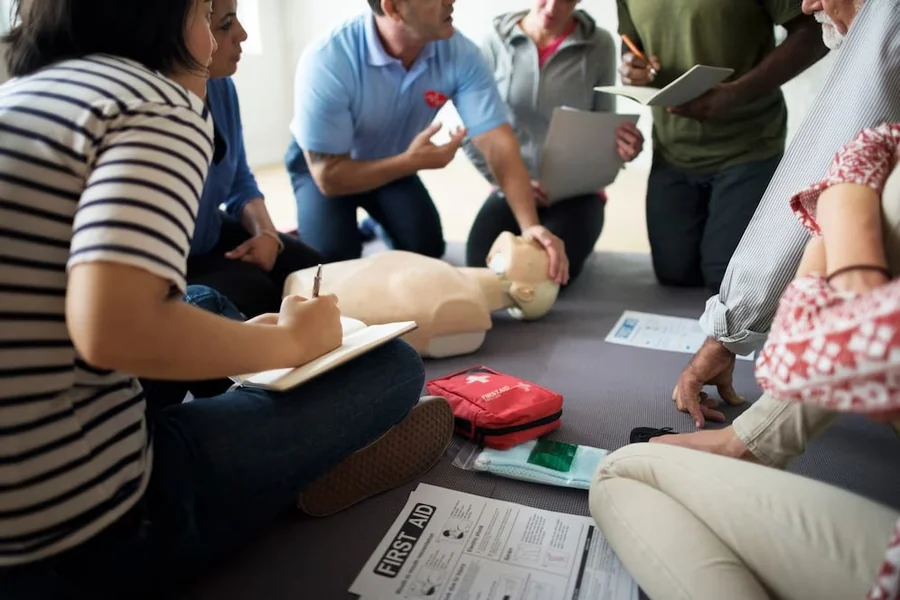
Community safety depends on more than emergency services and healthcare facilities. It also relies on ordinary people having the knowledge and confidence to respond when someone needs immediate assistance. Whether an emergency occurs at home, in a workplace, at school, or during a public event, basic first aid skills can make a meaningful difference. Accessible first aid training Darwin programs help residents develop practical emergency response skills while encouraging greater responsibility for the safety and well-being of others.
Darwin’s active outdoor lifestyle, diverse workplaces, and growing community create many situations where first aid knowledge can be valuable. From recreational activities to everyday workplace responsibilities, emergencies can arise without warning. Making training accessible to people from different backgrounds helps build a community where more individuals are prepared to provide immediate assistance while professional medical help is on its way.
Building Confidence to Respond During Emergencies
One of the biggest challenges during a medical emergency is uncertainty about what to do. People may hesitate because they are unfamiliar with first aid procedures or worry about making a mistake. Proper training helps address these concerns by providing clear instructions and practical experience in handling common emergencies.
Participating in a CPR course Darwin can help individuals learn essential resuscitation techniques, recognise signs of cardiac arrest, and understand the appropriate use of an automated external defibrillator. These skills are particularly important because immediate CPR can improve the chances of survival when someone experiences cardiac arrest.
Practical exercises also allow participants to become familiar with emergency situations in a controlled learning environment. This experience can improve their ability to remain focused, communicate effectively, and follow appropriate procedures when unexpected incidents occur.
Making First Aid Education Accessible to Everyone
First aid knowledge should not be limited to healthcare professionals or employees working in high-risk industries. Parents, teachers, students, sports coaches, volunteers, and community members can all benefit from learning basic emergency response techniques.
An accessible Darwin first aid course allows participants to develop skills that match their responsibilities and learning needs. Training options may include general first aid, CPR, and specialised instruction for individuals working with children or vulnerable community members.
Convenient training schedules, clear learning materials, and practical assessments can make participation easier for people balancing work, education, and family commitments. When training opportunities are easier to access, more residents can gain the knowledge needed to assist others during emergencies.
Creating Safer Workplaces Across Darwin
Workplace safety remains an important consideration for businesses operating throughout Darwin. Industries such as construction, hospitality, tourism, education, and retail involve different working conditions and potential hazards. Employees who understand basic first aid procedures can provide valuable assistance when workplace injuries or sudden illnesses occur.
Training helps workers recognise common injuries, respond to bleeding, manage burns, and provide initial care while waiting for medical professionals. It also encourages employees to become more aware of workplace risks and the importance of following established safety procedures.
Businesses that invest in first aid education can strengthen their emergency preparedness arrangements. However, training should be supported by suitable first aid equipment, accessible emergency information, and regular reviews of workplace safety procedures.
Supporting Families, Schools, and Community Organisations
Families and educational institutions play an important role in developing safer communities. Children may experience falls, minor injuries, allergic reactions, or other unexpected health concerns during everyday activities. Adults who have received appropriate first aid training are better prepared to recognise these situations and respond responsibly.
Teachers, childcare professionals, and sports instructors can particularly benefit from learning techniques relevant to the people under their supervision. Recognising breathing difficulties, managing injuries, and understanding emergency communication procedures can support safer learning and recreational environments.
Community organisations can also encourage participation by promoting awareness programs and helping residents understand the value of first aid education. These efforts contribute to a culture where emergency preparedness becomes a shared responsibility rather than an individual concern.
Encouraging Practical Skills Through Regular Training
First aid education is most effective when participants have opportunities to practice what they learn. Reading instructions provides useful background knowledge, but practical demonstrations help individuals understand the correct sequence of actions during emergencies.
Hands-on activities may include practising chest compressions on training mannequins, applying bandages, positioning an unconscious person who is breathing normally, and responding to simulated incidents. These exercises help participants develop familiarity with essential procedures.
Regular refresher training is equally important because first aid recommendations can change, and practical skills may become less familiar over time. Maintaining current knowledge supports confidence and helps individuals respond according to recognised emergency care guidance.
Strengthening Emergency Preparedness Across the Community
A safer community develops when emergency preparedness becomes part of everyday awareness. Residents who understand first aid can recognise potentially serious conditions, contact emergency services promptly, and provide appropriate assistance within the limits of their training.
In Darwin, where outdoor recreation, community gatherings, and workplace activities are common, having more trained individuals can improve the availability of immediate assistance during unexpected incidents.
Community participation also encourages cooperation. When people understand their responsibilities during an emergency, they can communicate more effectively, support affected individuals, and assist emergency responders by providing relevant information.
Conclusion
Accessible first aid education is an important investment in Darwin’s long-term community safety. By developing practical skills, improving emergency awareness, and encouraging regular training, residents can become better prepared to assist others during critical situations. Workplaces, schools, families, and community organisations all have opportunities to support this effort. As more people gain confidence in providing appropriate first aid, Darwin can continue building a safer, more prepared, and more supportive community.