
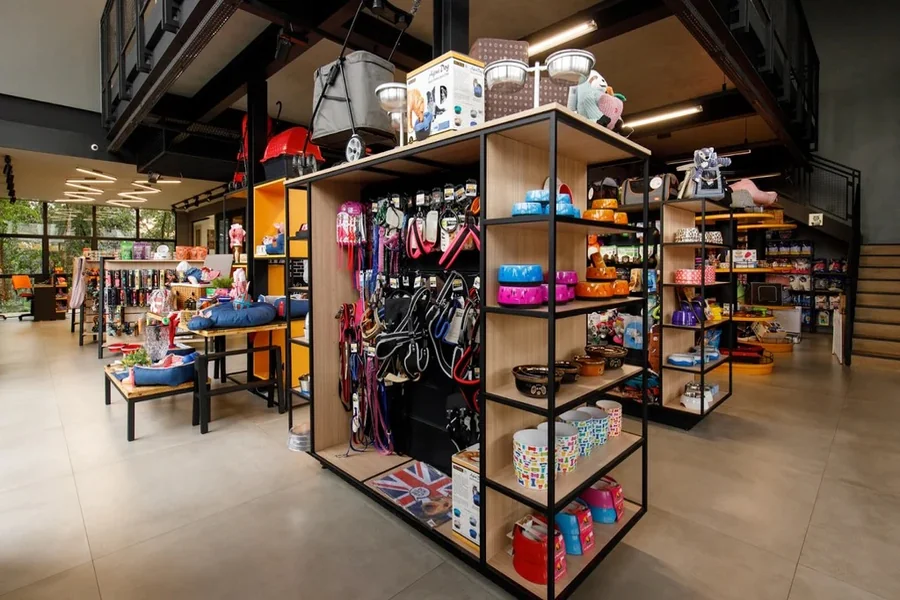
In the competitive retail landscape, the design of your store plays a pivotal role in attracting customers and influencing their purchasing decisions. As consumers evolve, so do their expectations of how a retail space should look and feel. While retail space design solutions offer innovative, tailored designs, traditional store layouts have been around for decades, providing a tried-and-tested approach to store setup. But which one truly drives more sales?
In this article, we’ll compare retail space design solutions with traditional store layouts to help business owners understand which option will maximize sales and create a more engaging shopping experience for customers.
1. What Are Retail Space Design Solutions?
Retail space design solutions focus on modernizing and optimizing store layouts to create a more engaging and efficient shopping environment. These solutions take into account the latest design trends, customer behavior, and technological advancements to craft spaces that enhance the overall retail experience.
Key features of retail space design solutions:
- Customer-centric design: Focuses on creating spaces that guide the customer’s journey and encourage purchases.
- Innovative layouts: Flexible, adaptable spaces that use the latest trends in retail design to create an immersive shopping experience.
- Technology integration: Incorporating digital displays, interactive kiosks, and other tech to enhance the customer experience.
Retail space design solutions are tailored to meet the needs of modern shoppers, creating a space that is both functional and visually appealing.
2. What Are Traditional Store Layouts?
Traditional store layouts refer to more conventional designs, often featuring a grid-like format with aisles that lead customers through the store. While effective for basic store operations, these layouts can feel outdated and may not encourage as much exploration or engagement as modern designs.
Key features of traditional store layouts:
- Grid-based structure: A straightforward layout with aisles that guide customers from one end of the store to the other.
- Static displays: Product displays are typically arranged in a uniform manner, with limited flexibility for rearranging or updating.
- Minimal focus on experience: Traditional layouts are designed for efficiency but may not prioritize creating an immersive, enjoyable shopping environment.
Although traditional layouts have been effective for many years, they lack the adaptability and customer-focused design of modern retail space design solutions.
3. Customer Engagement: Creating an Immersive Experience
One of the major differences between retail space design solutions and traditional store layouts is the ability to engage customers and create an immersive experience. Modern design solutions prioritize customer experience, making shopping more enjoyable and encouraging longer visits, which can lead to increased sales.
How retail space design solutions enhance engagement:
- Interactive displays that invite customers to explore products and engage with the brand.
- Strategic product placement that encourages browsing and impulse buying.
- Sensory experiences like lighting, sound, and scent, all of which create a more memorable environment.
Traditional layouts, on the other hand, may lack these interactive and sensory elements, often leading to a less engaging experience that doesn’t encourage exploration.
4. Flexibility and Adaptability
Modern retail spaces need to adapt quickly to trends and customer demands. Retail space design solutions offer the flexibility to modify layouts as needed, whether it’s for a seasonal campaign, a new product launch, or a shift in customer behavior.
Why flexibility matters:
- Quick adjustments to layouts, displays, and promotions based on customer feedback and sales trends.
- Modular designs that allow spaces to evolve without major renovations.
- Evolving with trends: A flexible design ensures your store stays relevant as customer preferences and shopping habits change.
In contrast, traditional store layouts are typically rigid, requiring significant effort to reconfigure, which can be time-consuming and costly.
5. Maximizing Space Efficiency
Both retail space design solutions and traditional store layouts aim to optimize space, but modern designs focus on maximizing every square foot of retail space. With limited space in urban areas, efficient use of space is essential for maximizing sales.
Space efficiency in retail space design solutions:
- Compact, functional displays that allow more product visibility without overcrowding the store.
- Clear navigation through the store, ensuring customers can easily access all product areas without confusion.
- Utilization of vertical space and other innovative storage options that increase product display capacity.
Traditional layouts, while functional, may not make the best use of space, leading to cluttered aisles or underutilized areas.
6. Enhancing Brand Identity
Retail spaces are a reflection of a brand’s identity, and retail space design solutions can help reinforce this by creating a unique, cohesive environment that communicates the brand’s values and message. From the choice of materials to the layout, everything in a modern retail space can contribute to a consistent brand experience.
Brand-enhancing features of retail space design solutions:
- Custom design elements that align with your brand’s colors, messaging, and aesthetic.
- Storytelling through design: Each space or display tells a story that aligns with your brand’s values and engages customers on a deeper level.
- Innovative signage and branding: Unique, eye-catching designs help reinforce your brand’s identity and make a lasting impression.
Traditional store layouts may not prioritize brand storytelling and design cohesion, potentially leaving a less impactful experience for customers.
7. Sales Optimization: Encouraging Impulse Purchases
A well-designed retail space can increase average transaction values by encouraging impulse buying and cross-selling. Retail space design solutions strategically place products in ways that encourage customers to purchase more, without feeling pressured.
How retail space design solutions optimize sales:
- Product placement near high-traffic areas, ensuring maximum visibility for high-margin items.
- Cross-selling opportunities through related product groupings and displays.
- Clear pathways that lead customers through different sections, increasing exposure to more products.
While traditional layouts can encourage basic shopping, they often lack the strategic thinking required to increase sales through product placement and layout design.
Conclusion: Which One Drives More Sales?
While traditional store layouts offer basic functionality, retail space design solutions provide far more advantages when it comes to creating an engaging, efficient, and customer-centered shopping experience. By focusing on customer engagement, flexibility, brand identity, and sales optimization, modern design solutions lead to higher sales and improved customer loyalty.
For businesses looking to stay competitive and drive long-term success, investing in retail space design solutions is an essential step. These solutions offer the ability to adapt, innovate, and create a store environment that both attracts and retains customers, ultimately driving more sales.