
Travel has a unique way of shaping how we view spaces. The memory of a sun-drenched courtyard in Marrakech, the quiet sophistication of a Japanese ryokan, or the dramatic, age-worn floors of an Italian palazzo can linger long after we leave. Those impressions are rarely about a single object; they’re about atmosphere, texture, light, and color. Bathrooms, often the most overlooked spaces in the home, offer an incredible opportunity to translate these global impressions into everyday life.
Creating a bathroom inspired by travel isn’t about pastiche or kitsch. It’s not a matter of plastering the walls with clichés of faraway places. Instead, it’s about translating the essence of a locale, its materials, craft traditions, and atmosphere into a contemporary, functional space. By thoughtfully integrating textures, patterns, and artisanal details, a bathroom can evoke the subtle drama of a Venetian palazzo or the serene calm of a Balinese retreat, all within the context of daily life.
Drawing Inspiration from European Elegance
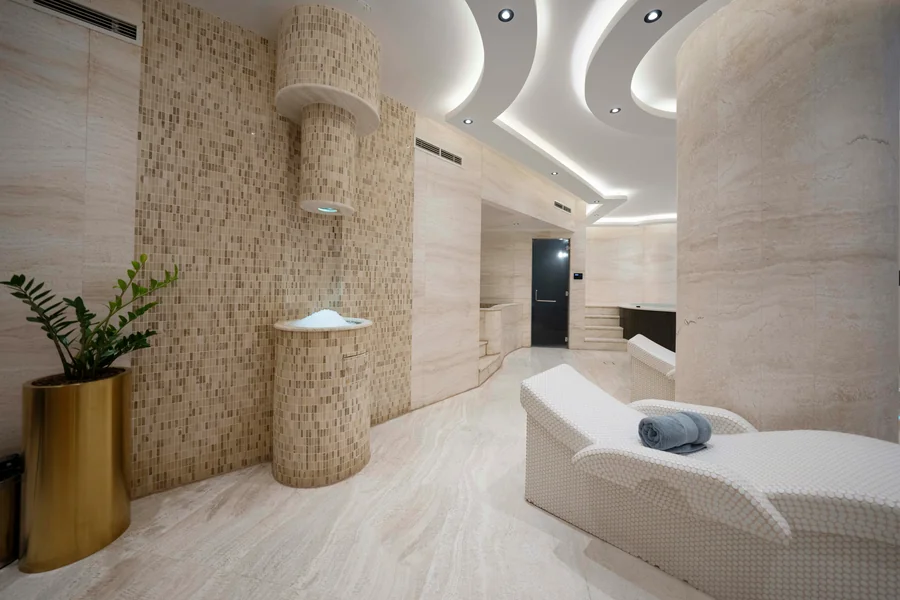
Europe’s architectural and decorative heritage offers endless inspiration for sophisticated bathrooms. Consider the classical elegance of Mediterranean homes, where hand-laid stone and tile tell stories across centuries. A marble floor in a soft cream or deep gray can anchor a room, and delicate carved motifs in a custom handmade mosaic can provide intimate focal points, recalling the centuries-old traditions of Italian artisans. These mosaics, whether in a niche, floor inlay, or backsplash, create a sense of permanence and craftsmanship that feels cultivated and refined.
Color palettes in European-inspired bathrooms tend to favor subtlety. Soft earth tones, pale ochres, and muted blues recall sun-baked villages along the Amalfi Coast or the quiet squares of Provence. Metallic finishes in aged bronze or brass for fixtures recall the patina of history, while hand-blown glass pendant lights add a touch of understated glamour. The key is layering texture and material thoughtfully: polished stone against weathered wood, matte plaster alongside gleaming tile, tactile textiles set against cool ceramics. Each juxtaposition echoes a European approach to interiors, where the passage of time is celebrated instead of being concealed.
North African Influence: Pattern, Texture, and Warmth
North African design, particularly Moroccan style, is immediately evocative. Walking through a riad, the first thing that strikes most travelers is the interplay of light and shadow, the intricate geometry of zellige tiles, and the rich warmth of sunlit courtyards. Translating these principles into a bathroom doesn’t require an overwhelming commitment to pattern. Instead, select a few signature elements. A shower wall in deep, jewel-toned tiles, or a freestanding tub framed by a floor in muted earth and lapis shades, introduces the drama of Moroccan interiors in a contemporary way.
Textural layering is essential. Soft textiles, such as plush towels, handwoven rugs, and hammam-style bath mats, counterbalance the cool rigidity of tile and stone. Brass or bronze fixtures evoke traditional lanterns and faucets found in historic souks. Lighting is equally important: soft, indirect light can mimic the dappled effect of sunlight through carved screens, enhancing the sense of intimacy and calm. Even a small carved niche for toiletries can echo centuries of craft while serving a functional purpose.
Asian Influence: Minimalism, Ritual, and Material Purity
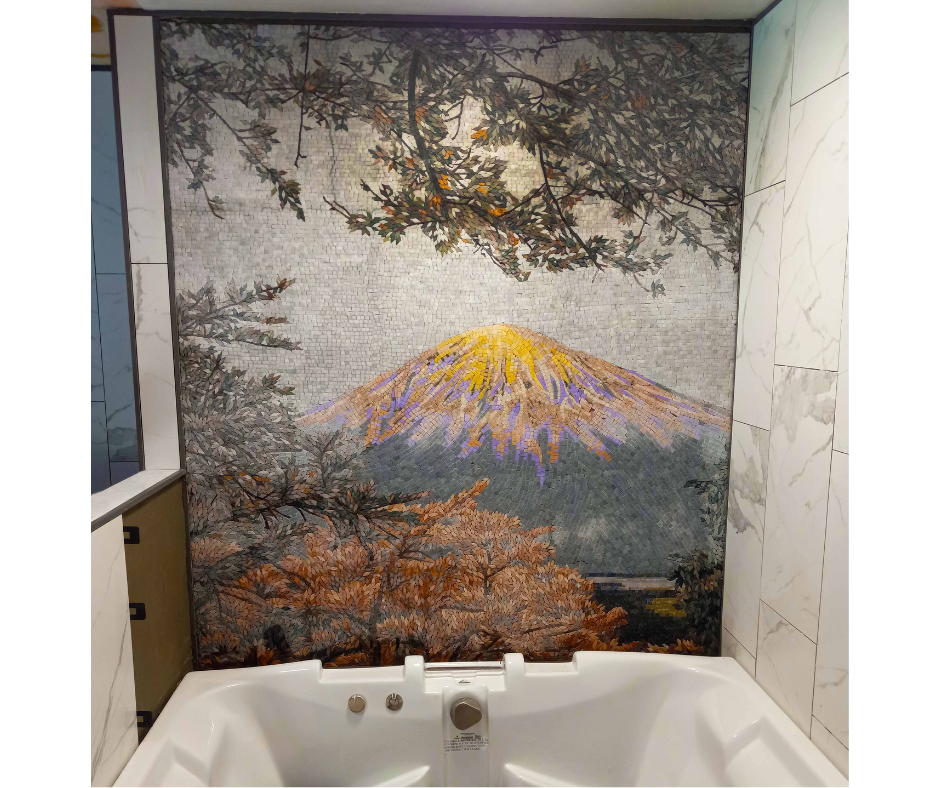
In contrast, East Asian influences favor minimalism, ritual, and respect for natural materials. Japanese bathrooms, particularly those inspired by ryokans, prioritize spatial flow and sensory experience. A soaking tub positioned to catch natural light, smooth stone surfaces that feel cool to the touch, and subtle timber accents create a quiet, meditative atmosphere.
Pattern is generally understated, introduced through texture rather than a bold motif. A bamboo mat, a carved wood screen, or a hand-textured tile can offer a subtle contrast without overwhelming the senses. Designers often play with scale and proportion, ensuring that every element feels intentional. A window or skylight, framing a view of a garden or courtyard, extends the space visually while connecting the bathroom to nature. It’s a lesson in restraint: luxury emerges not from ornamentation, but from meticulous attention to material, light, and proportion.
Middle Eastern and Byzantine Inspirations
Middle Eastern design often combines intricacy with boldness, drawing on centuries of craft. In bathrooms, this influence can be expressed through dramatic tilework and lush yet curated color palettes. A handmade mosaic can anchor a wall behind a vanity or tub, adding depth and texture while reflecting historical craftsmanship. Richly patterned mosaics, sometimes inspired by ancient mythology, can narrate stories visually, referencing motifs such as mythic figures, celestial maps, or geometric abstractions.
The key to avoiding cliché is moderation. A single richly patterned statement element can evoke a cultural reference without overwhelming the room. Pair it with smooth stone surfaces, minimalist fixtures, and neutral walls, and the space feels modern while remaining deeply personal. Even a small motif in tile or carved stone can imbue the bathroom with a sense of narrative, a reminder that craft and history can coexist with contemporary functionality.
Latin American Influences: Color, Texture, and Handcrafted Detail
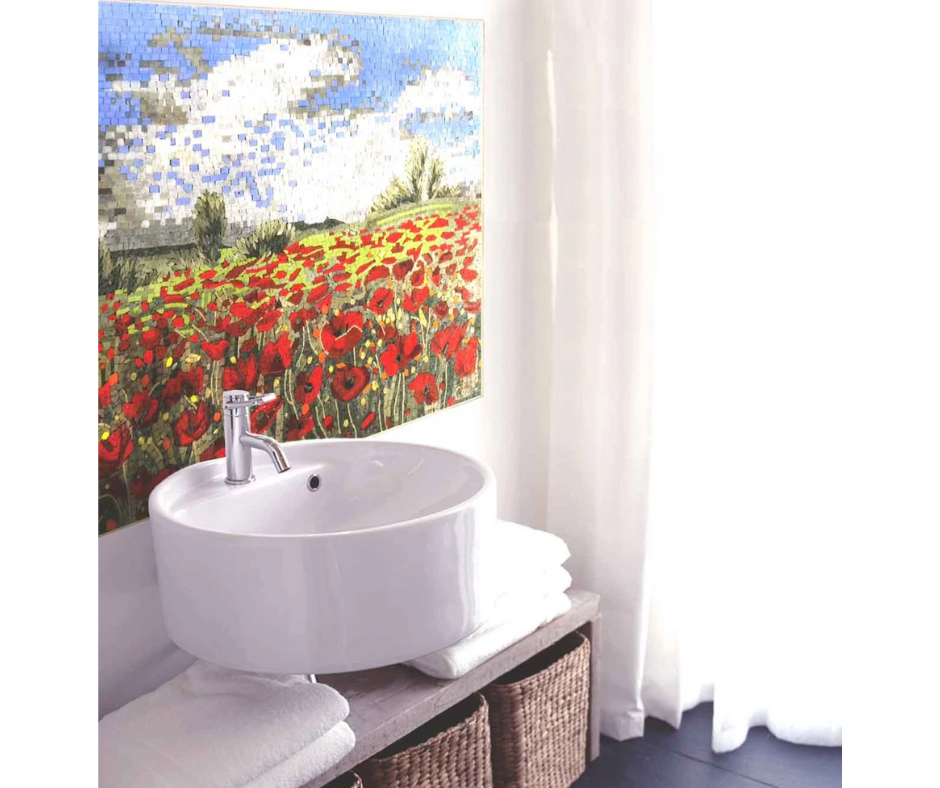
Latin American interiors often celebrate bold color and artisanal craft. Bathrooms inspired by this region can balance vibrancy with restraint by using pattern and texture sparingly, letting each element breathe. A tiled backsplash in a soft, hand-painted pattern, a brightly colored vanity, or a statement floor in sun-soaked terra cotta hues introduces warmth and personality.
Materials are key: terracotta, natural stone, and handwoven textiles create a tactile richness that draws the eye. Wrought iron, copper, and aged wood accents evoke traditional craftsmanship while grounding the space in a contemporary context. Even small details, such as an inset shelf lined with decorative tile or a carved mirror frame, offer subtle storytelling elements that celebrate the region’s artistic heritage.
Layering Travel Influence Thoughtfully
One of the most important principles in travel-inspired bathroom design is restraint. Inspiration from multiple regions can be combined, but success comes from thoughtful layering rather than visual overload. A Japanese-inspired soaking tub can sit beside a softly patterned floor reminiscent of Mediterranean or North African craftsmanship. Brass fixtures may nod to Moroccan design while remaining fully contemporary.
Layering textures is equally important. Smooth stone walls juxtaposed with hand-painted tiles, soft linen towels, and natural fiber mats create tactile contrast. Light should vary in intensity and source: a skylight or frosted window provides daylight, while carefully placed sconces or a pendant light add warmth and dimension. Even the smallest details contribute to the sense that the bathroom is curated rather than themed.
Color, Pattern, and Mood
Color plays a critical role in evoking a sense of place. Mediterranean blues, earthy ochres, and sun-warmed neutrals recall coastal Europe. Deep jewel tones suggest Middle Eastern interiors, while soft grays, pale timber, and muted greens evoke Japanese minimalism. Layering color thoughtfully can create visual interest without becoming overwhelming.
Pattern should serve texture and storytelling rather than dominate. The elements can carry personal meaning, for example, a favorite place visited, an admired motif, a cultural reference, making the bathroom feel intimate and curated rather than decorative in a generic sense.
Bringing Travel Home
Bathrooms offer an intimate canvas for design because they are private spaces where attention to detail can shine. Unlike living rooms or kitchens, they can carry bolder textures, more deliberate pattern, and intense craftsmanship without feeling overwhelming. This freedom makes them ideal for translating travel inspiration into real-life design.
By drawing on materials, color, light, and pattern from regions around the world, a bathroom can evoke a sense of journey and memory. Subtle layering, thoughtful proportion, and restraint prevent the space from tipping into cliché, while handcrafted details like tiles, mosaics, and artisanal finishes, anchor it in authenticity. When done well, stepping into such a bathroom feels like stepping into a favorite place you’ve visited: a space that is both familiar and new, personal and timeless, luxurious yet inviting.