AI is not just a tech buzzword anymore–it is changing how we live day to day. Your phone already knows what you want to watch on Netflix before you do, and your car might soon drive itself to work while you catch up on sleep.
Smart Home Assistants
Many people have an Alexa or Google Home sitting somewhere in their house by now. These devices have gone from being cool gadgets to basically running our lives.
Users can control their entire house just by talking to their Echo, including the lights, thermostat, and even the coffee maker. For parents with young children, being able to dim the lights for bedtime without hunting down light switches is a game changer.
The energy savings are beneficial as well. These systems learn your patterns and adjust things automatically. Your house basically becomes smarter about not wasting electricity.
Personalized Recommendations
Netflix knows its users better than their families do sometimes. It is actually kind of scary how good these recommendation systems have become. Amazon, Spotify, and even YouTube are all watching what we do and getting eerily accurate at predicting what we will want next.
Last week, Amazon suggested a book I had never heard of, but it turned out to be exactly the type of mystery novel I love. It knew because it has been watching me buy similar books for years.
While there is something a little creepy about being so predictable, I have discovered some amazing shows and products I would have never found otherwise. It saves time too, as there is no more endless scrolling through thousands of options.
Healthcare Advancements
This is where AI gets really exciting as we are talking about saving lives.
IBM’s Watson can analyze medical data faster than any human doctor ever could. It is not replacing doctors–it is making them superhuman. Early cancer detection, personalized treatment plans, and drug discovery that used to take decades are now happening in years.
There have been instances where AI systems caught suspicious spots on scans that doctors initially missed. Patients are often treated successfully because the AI caught the issue early.
The technology is not perfect yet, and doctors are still making the final calls. However, having an AI assistant that never gets tired, never has a bad day, and can process thousands of similar cases in seconds is powerful backup.
Autonomous Transportation
Self-driving cars still feel like science fiction, but they are already here. Tesla owners are basically beta testing the future every time they use Autopilot.
Riding in a Waymo in San Francisco can be a unique experience as the car handles traffic better than most human drivers. There is no road rage or aggressive lane changes, just smooth, predictable driving.
The safety potential is significant. Most accidents happen because humans make mistakes–we get distracted, tired, or make bad split-second decisions. Computers do not have those problems.
Public transportation could get a major upgrade too. Imagine buses that actually stick to their schedules and take the most efficient routes automatically. That alone would transform city living.
AI in Customer Service
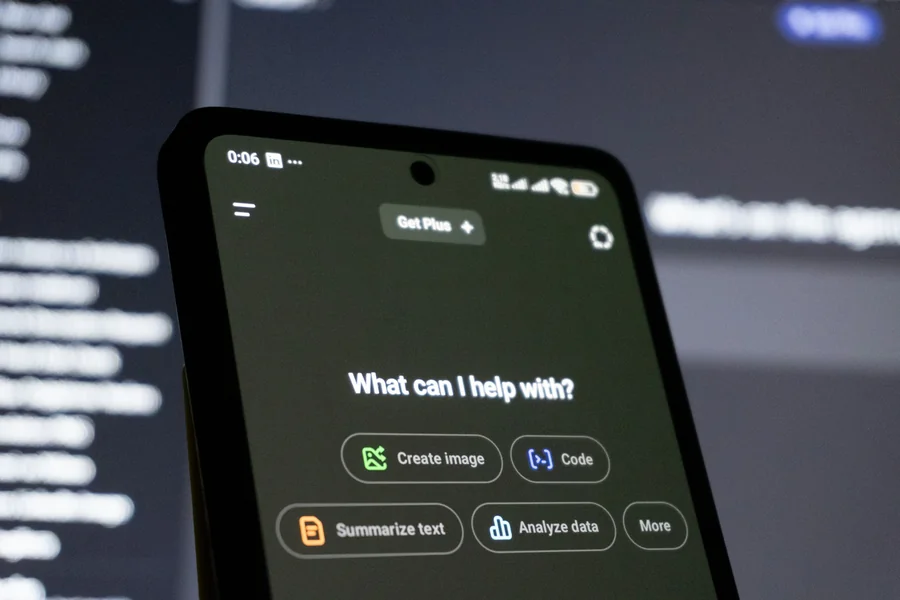
The days of waiting on hold for twenty minutes just to reset a password are mostly gone, thanks to chatbots that actually work.
Most of the time, these AI systems can handle basic questions instantly. If you need help with your account, the bot has you covered. If you want to know store hours or return policies, it is done in thirty seconds.
Take online gaming platforms–many online poker sites use sophisticated chatbots to help players with account setup and technical issues. Players get immediate help, and human support staff can focus on the complex problems that actually need a human touch.
It is not perfect, and sometimes you still need to talk to a real person. However, for routine tasks, AI customer service is actually pretty great.
The Bottom Line
AI is everywhere now, whether we notice it or not. Our homes are getting smarter, our entertainment is more personalized, our healthcare is more precise, and our daily interactions are more efficient.
The key is embracing the useful tools while staying aware of the changes happening around us. This technology is not slowing down–it is accelerating. The question is not whether AI will change your life, but how you will adapt to make the most of it.
I am pretty optimistic about where this is all heading.